If you are considering buying health insurance in Nigeria, this is one of the most important financial and personal decisions you will make. Health insurance is not just another monthly expense. It directly affects how quickly you receive medical care, the quality of hospitals you can access, and how much money you will spend when illness or emergencies occur.
Many Nigerians buy health insurance with good intentions, only to regret their decision later. Some discover their preferred hospital is not covered. Others face rejected claims, unexpected limits, or hidden costs they were never told about. These issues do not usually happen because health insurance is bad. They happen because the right questions were not asked before signing up.
Health insurance plans can look similar on the surface, but the details matter. Asking the right questions upfront helps you avoid frustration, wasted money, and serious stress during medical situations. Below are five essential questions you should always ask before buying any health insurance plan in Nigeria, explained clearly and practically so you can make a confident decision.
1. Which Hospitals and Clinics Can You Actually Use
This is the first and most important question you should ask before choosing any health insurance plan. Many people assume that once they have insurance, they can walk into any hospital and receive care. Unfortunately, that is not how health insurance works in Nigeria.
Every health insurance plan has a specific network of hospitals, clinics, pharmacies, and diagnostic centers. If a hospital is not on that list, your insurance will not cover your treatment there. This becomes a serious problem when you discover too late that your preferred hospital or the nearest hospital to you is not included.
Before buying any plan, ask for a full and updated list of approved hospitals. Do not accept verbal promises. Ask to see the list in writing. Check if there are good hospitals close to where you live and work. Also consider whether the hospitals on the list have specialists, laboratories, and emergency services.
You should also ask whether you are allowed to change hospitals if you are not satisfied with the one assigned to you. Some plans restrict hospital changes, while others allow flexibility. A health insurance plan is only useful if you can easily access quality healthcare when you need it.
2. What Exactly Does the Plan Cover and What Does It Exclude
Never assume coverage. One of the biggest mistakes Nigerians make is assuming that health insurance covers everything. In reality, every plan has limits, exclusions, and conditions.
You need to ask detailed questions about what the plan actually covers. Does it include doctor consultations, laboratory tests, medications, surgeries, maternity care, and hospital admissions. Are chronic conditions covered or excluded. Is mental health care included. What about dental and eye care.
Equally important is understanding what the plan does not cover. Many plans exclude certain surgeries, specialized treatments, or long term care. Some plans have waiting periods, meaning you cannot use certain benefits immediately after enrollment. For example, maternity care may only be available after several months.
Ask about service limits. Some plans limit the number of consultations you can have in a year or cap the cost of drugs they will pay for. These details matter because they directly affect how useful the plan will be in real life.
Clear answers to this question help you avoid disappointment and unexpected bills later.
3. How Are Claims Handled and Approved
Claims handling is one of the most common sources of frustration for insured Nigerians. Many people only realize how difficult the claims process is when they are already sick or dealing with an emergency.
You should ask how claims are handled before you buy the plan. Ask whether the plan is fully cashless or whether you will need to pay first and request reimbursement later. Cashless plans are usually more convenient because you receive care without making upfront payments for covered services.
Ask how long approvals typically take. In emergency situations, delays can be dangerous. A good health insurance plan should have a smooth and fast approval process.
You should also ask who handles communication between the hospital and the insurance provider. Will you need to follow up personally, or is the process managed automatically. Understanding the claims process helps you avoid stress and confusion when you actually need medical care.
4. What Are the Total Costs Beyond the Premium
The premium is only one part of the cost of health insurance. Many people focus only on how cheap the premium is and ignore the other expenses that come with using the plan.
You need to ask about co payments, consultation limits, drug caps, and service restrictions. Some plans require you to pay part of the cost each time you visit a doctor. Others limit how much they will spend on medications per visit or per year.
Ask about additional fees for specialized tests, imaging, or procedures. Some services may require extra payments even if you are insured. Also ask what happens if you exceed the plan limits. Will you pay the difference out of pocket.
Understanding the full cost structure helps you choose a plan that fits your budget not just on paper, but in real life. A cheap plan that rarely covers what you need can end up being more expensive in the long run.
5. Is the Insurance Provider Reliable and Regulated
Not all insurance providers are the same. Some are reliable and responsive, while others are difficult to reach and slow to act. Before buying any health insurance plan, you must confirm that the provider is registered with the National Health Insurance Authority.
Ask about the provider’s track record. How long have they been operating. How do they handle complaints. Do they have customer support that responds promptly. You can also ask for reviews or feedback from existing clients.
A reliable insurance provider communicates clearly, honors agreements, and supports you during medical situations. Choosing the wrong provider can turn health insurance into a constant source of frustration instead of peace of mind.
Conclusion
Buying health insurance in Nigeria is a major decision that affects your health, finances, and overall quality of life. Rushing into a plan without asking the right questions can lead to denied claims, limited access to care, and unexpected expenses.
By asking these five questions before buying any health insurance plan, you put yourself in control. You gain clarity, avoid common mistakes, and choose a plan that actually works for your needs.
Health insurance should protect you, not confuse you. The right plan gives you access, confidence, and peace of mind.
Before you make your final decision, make sure you are not repeating the same mistakes many Nigerians make when choosing health insurance.
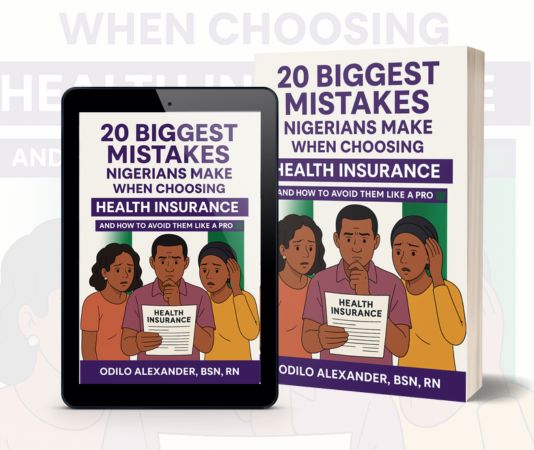
My ebook 20 Mistakes Nigerians Make When Choosing Health Insurance breaks down the most common errors, hidden traps, and costly assumptions people make and shows you how to avoid them.
Get the ebook now and choose your health insurance plan with confidence and clarity.